BACK to Guide Home CLOSE WINDOW
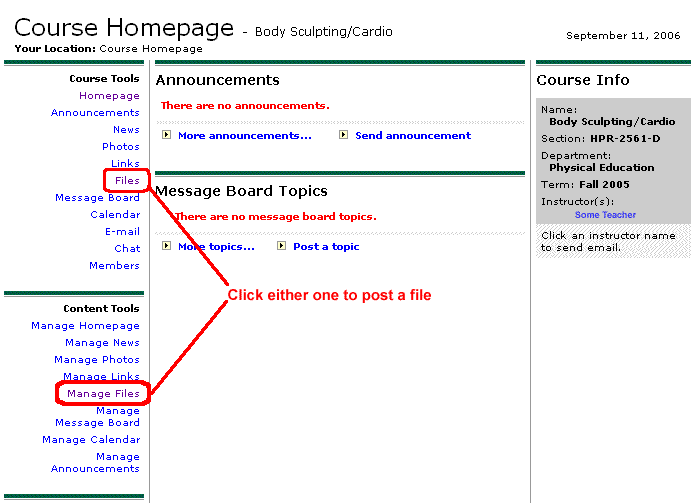
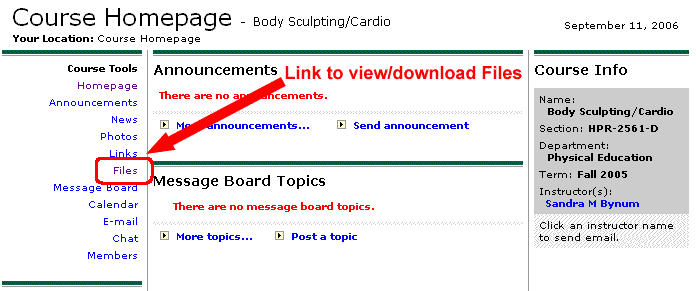
There are two ways to post shared files on the My Courses Home Page. The first is the same Files tool that would be used by anyone and is in the list under the Course Tools heading. The other is the Manage Files tool under the Content Tools heading (the section that only you can access). See the picture below:
Using "Files" under "Course Tools"
First, as you probably guessed, click on "Files" under "Course Tools."
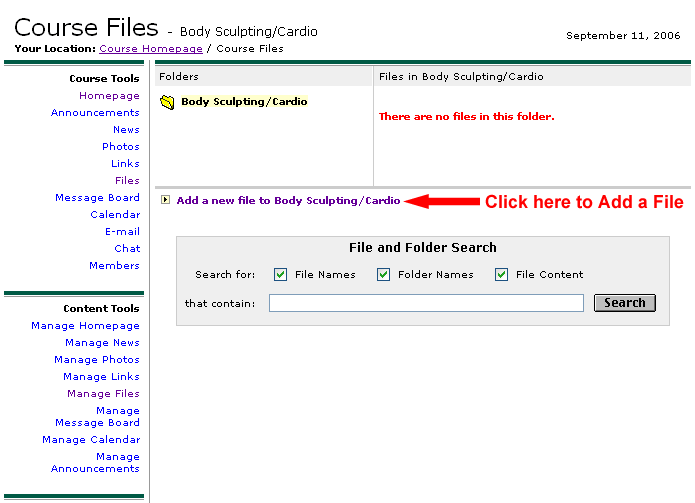
The next screen will display any files already posted or, as in the picture below where none have been posted, the clever notice in red that says "There are no files in this folder." Note the folder icon with the name that matches your Course Name. Click on the blue link in the section beneath the Folder icon that says "Add a new file to YOUR COURSE NAME ." In other words, the last part of the link contains the Course Name. (See the picture below)
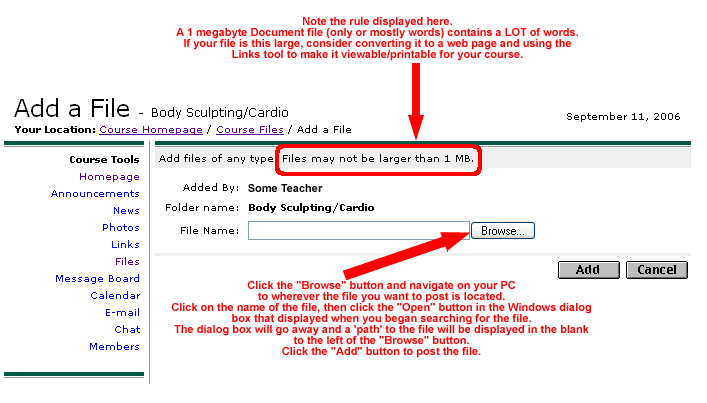
The next screen displays the form to fill out for posting a File. Follow the example below to fill in the required information.
After you click the "Add" button, a smaller box displays telling you the File has been posted. There is an "OK" button in this dialog box. Click on it to display the "Course Files" page. You should see something like this:
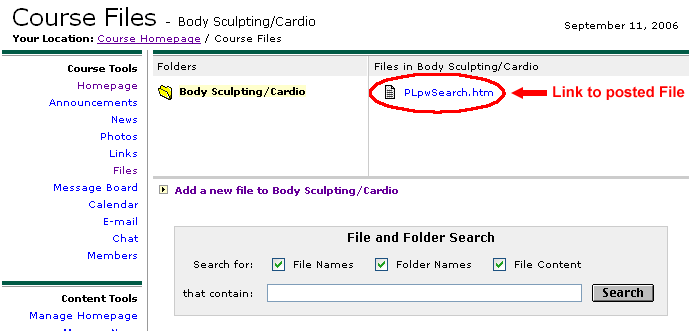
When a student clicks the name of the course in the "My Courses" list, they will see the Course Home Page, which does not display files. They would then have to click on "Files " in the "Course Tools" to see a page like the picture above.
Using "Manage Files" under the Course Content Heading
First (of course) click on "Manage Files" beneath the "Content Tools" Header in the left Navigation Panel of the Course Homepage (See the first picture at the top of this page for reference).
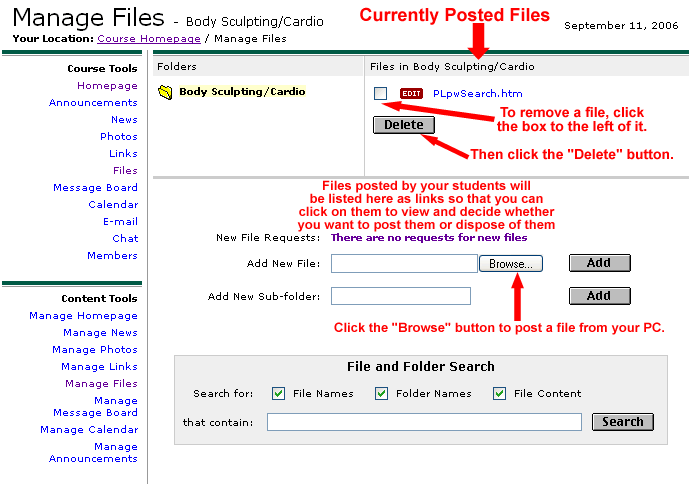
You will see the "Manage Files" page. You may notice that its layout differs from the "Files" page. See the picture below.
First, the right hand section lists the files that are currently posted for your course. If you wish, you can click on the file name (which is a link) to look at a file in case you don't remember exactly what it is. You can also click the box next to it, then click the "Delete" button to remove the file from the Files List.
The next section is where you post files, either one or more of those propsed by your students, or a file from your PC just as you might do using the "File" link in the Course Tools group.
"What?", you might query. "Can students post files, too?" In a way they can. The files they 'submit' are sent to you so you can review them and decide whether to post them or delete them. If any are posted, they'll be listed here.
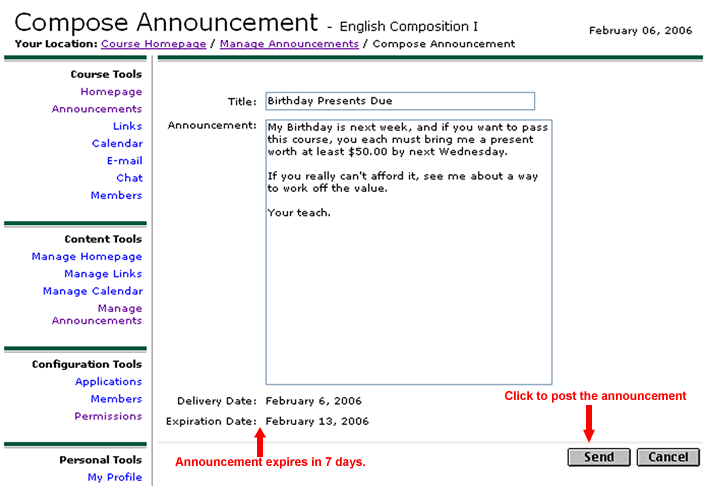
The "Compose Shared File" screen is displayed just like it is when you use the "Shared Files" link under the "Course Tools" section. Fill in the blanks with the appropriate content as in the picture below, then click the "Send" button:
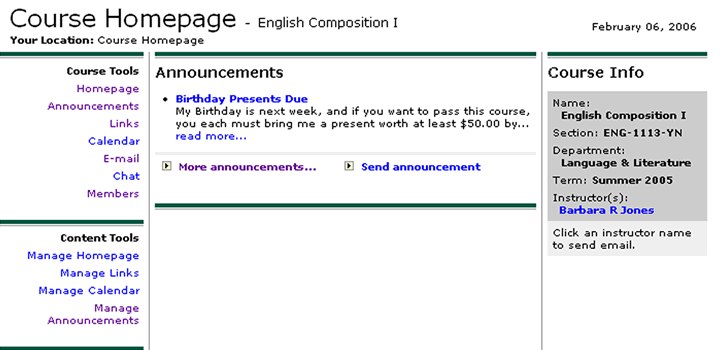
A dialog box will display with a message that your Shared File was sent. Click the "OK" button in the box to display the Manage Shared Files page. Click on "Shared Files" under Course Tools or "Course Homepage" directly beneath the large "Manage Shared Files" heading to see the Shared File as it will appear to visitors to your course.
To Edit/Correct/Delete an Shared File - Use the "Manage Shared Files" link under the bold heading "Content Tools" to change an existing Shared File: Click on the name of the announcement to open the Compose screen where you can make changes (see picture below).
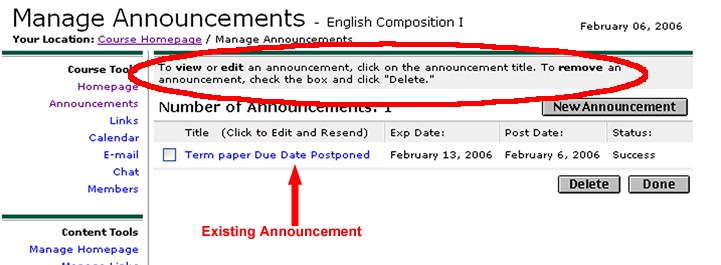
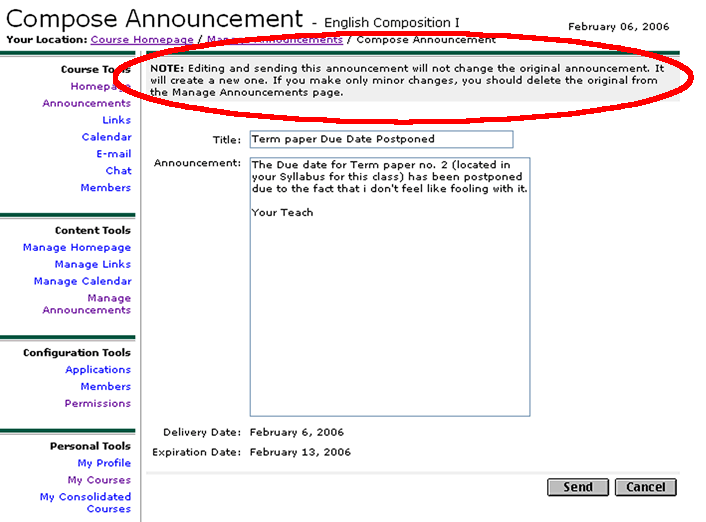
Note the instructions on the "Compose" screen as pictured below. Essentially, what they are saying is that when you finish editing this announcement, it will be sent as a NEW announcement, and the one you have already posted will still be there. In that case, you would have to click on "Manage Shared Files," then click the box to the left of the old announcement, then click the "Delete" button. A dialog box will ask you to confirm the deletion. Click "OK." Below is the Compose Screen where you can make changes. Note that the announcement will expire from the date you make any changes on this screen.
This concludes the "Shared Files" tool guide.
BACK to Guide Home CLOSE WINDOW